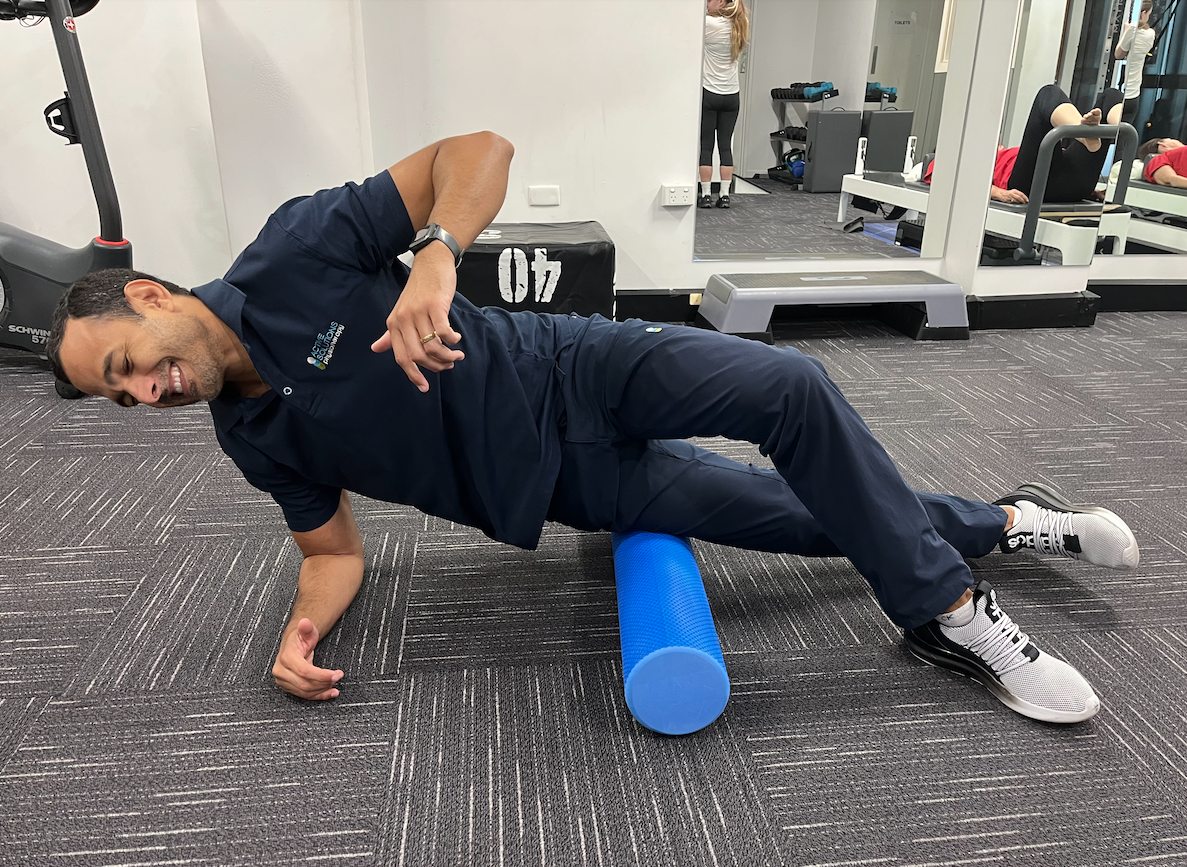

People often get a burst of enthusiasm to increase their exercise levels by signing up to events like an HBF run, booking an active holiday or participating in winter sports.
So how do you start something new without overtraining and getting injured?
It is all about how you get there.
You need to honestly appraise yourself and determine your starting point. What type of exercise do you do consistently right now and at what intensity?
If you change your exercise or intensity by:
- 30% you are 5 x more likely to get injured.
- 50% you are 8 x more likely to get injured.
Physiotherapists now refer to training as ‘loading’. To make this distinction clear, think about how hard your body works with a run versus a cycle. The run will ‘load’ your body but the cycle will be considered a ‘rest day’, despite the fact you are still exercising.


- Running impact 9 x body weight
- Loading training day
- Cycling non-impact
- Non-loading training day
So you can exercise more but need to avoid training errors. You can do this by:
Following a hard loading session by a rest day
- Avoid 2 x long runs on the weekend just because you have time
Cross training
- Mix impact (walking, running, x fit) with non-impact (swimming, cycling)
Combine Cardio with Strengthening
- Running, cycling, swimming paired with boxing, Pilates, weights
The other pitfall people often fail to consider is the time it takes to return to full training (re-loading) when they have a break from training.
Check out this excellent graph generated by the Australian Institute of Sport (AIS). Next time you have a holiday, remember you can’t get home and make up for lost time, you have to ramp up your exercise accordingly.

Injuries are more likely to occur with training spikes. So contrary to the widespread belief that training volume causes injuries, it is how fast you get there that is the problem.

In Summary
In the AIS, mismanagement of training load accounts for 37% of injuries. In patients we treat in the clinic, we measure training errors to be the cause of around 75% of injuries.
So to get the best out of your burst of enthusiasm for exercise, follow the recommendations outlined and remember it takes longer than you think.
The best guidance we can give is to increase mileage by no more than 10% each week.