
Osteoporosis means your bones are becoming weaker and more fragile — without any symptoms until you have a fall. With osteoporosis, instead of bad bruise, you break a bone. Osteoporosis doesn’t just affect “little old ladies.” Sure, women post-menopause are more at risk — but men (5%) can get it too. Some of the common risk factors include:
- Family history – EXTREMEMLY INFLUENCIAL
- Low calcium or vitamin D
- Being underweight or a childhood history of eating disorders
- Steroid medication, chemotherapy
Bone density is measured by a DEXA scan and you need a referral from your GP. The scan will give you a diagnosis of the grade of osteoporosis, or the precursor, osteopenia. For women is a great scan to get 5 years after menopause, so you can understand the health of your bones. This way you can identify early changes before they are a problem rather than wait for a broken bone! Although please understand there is no medicare rebate under the age of 70.
Osteoporosis diagnosis doesn’t have to mean fragility or fear. With the right movement and support, you can keep doing what you love for years to come. But yes, you will have to make some lifestyle changes. You don’t need to panic — just take action early.
From a Physiotherapy point of view exercise works. There are loads of different programs and protocols out there for osteoporosis, but guess what? They all come back to the same simple principles:
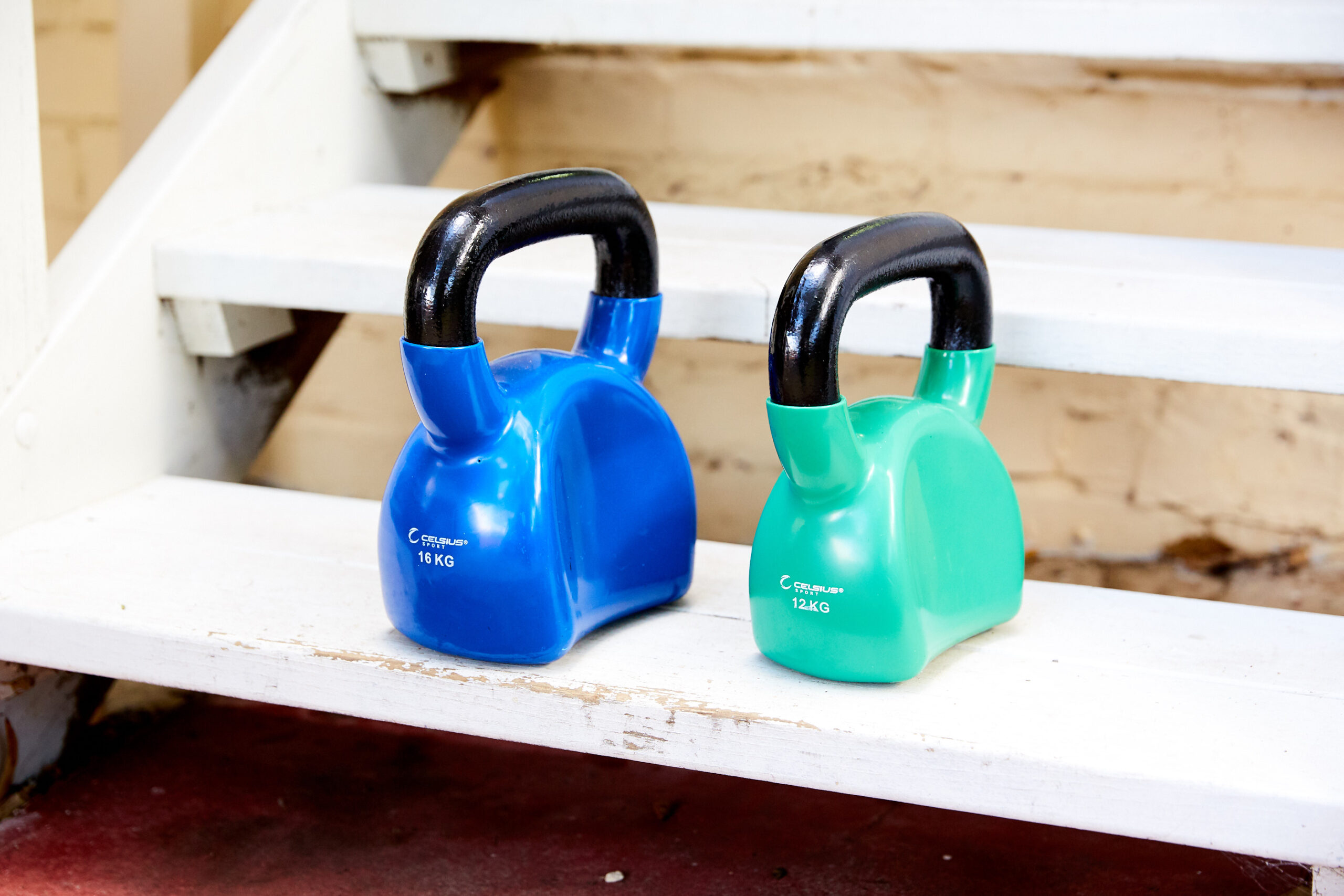
- Weightlifting Exercises; place stress on bones, which stimulates bone-forming cells (osteoblasts) to build new bone tissue, increasing bone density and strength over time.
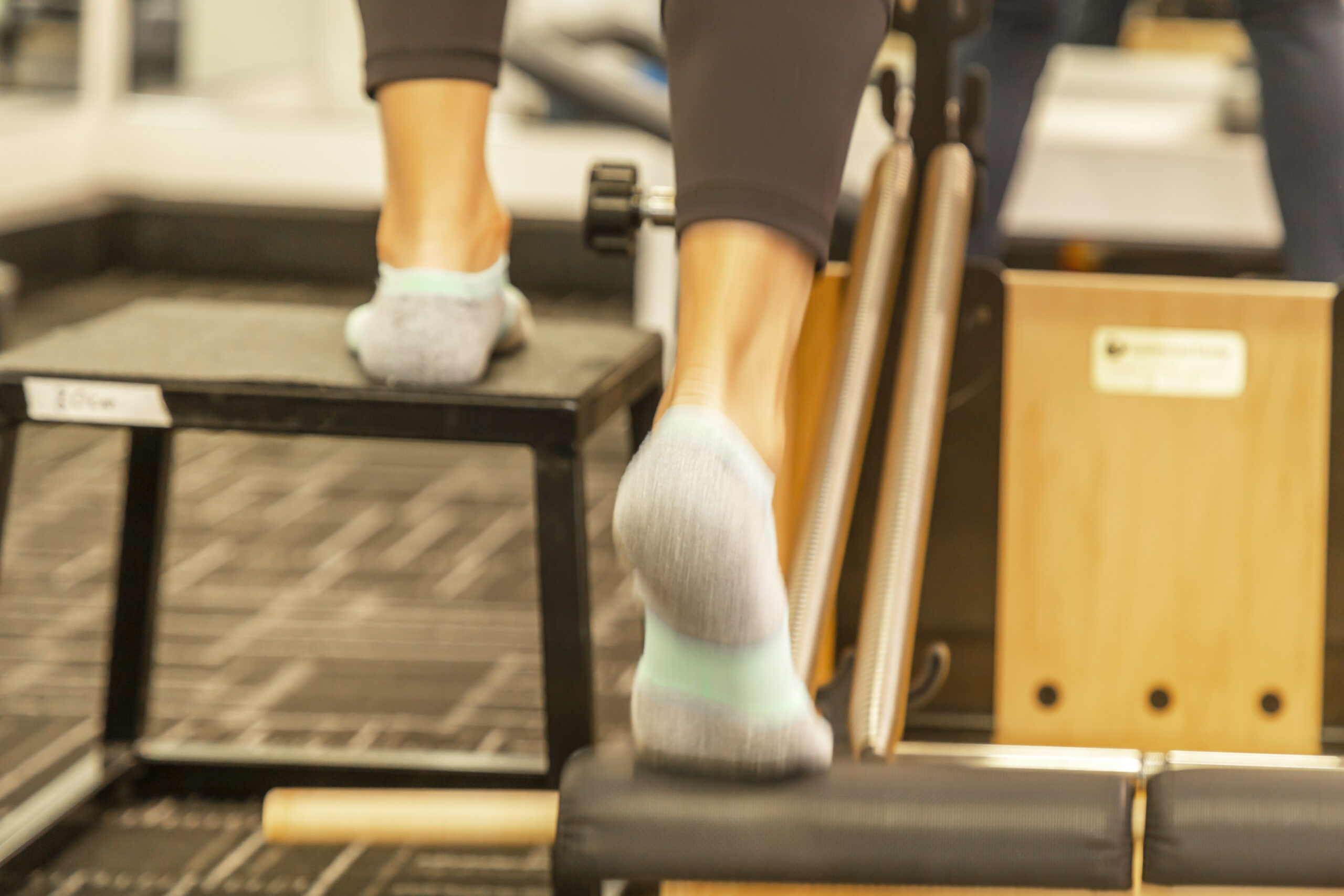
- Impact Exercises; like jumping or brisk walking, create mechanical stress on bones, which signals the body to increase bone formation and slow bone loss
- Balance Exercises; help reduce the risk of falls and fractures in people with osteoporosis by improving stability, coordination, and muscle strength—making everyday movements safer and more controlled.
At our Floreat clinic, we run physio-led exercise classes and small group sessions that tick all the boxes. Whether you’re newly diagnosed or just looking to stay ahead of the game, we’ll help you get strong, steady, and confident.